



Last month the National Lottery revealed that 38 % of its revenue came from people buying tickets on their phones. That jump from 29 % a year earlier shows that mobile isn’t just convenient—it’s becoming the main way people entertain themselves. Three forces are driving this shift, and anyone watching the market should take note.
1. Speed of Access: Minutes, Not Hours
With a download, you can start playing in 30 seconds. That’s a stark contrast to the 45‑minute wait for a slot machine at a traditional venue. A recent survey found that 72 % of UK gamers prefer games that load in under 15 seconds. For developers, this means prioritising low‑latency, which in turn encourages smaller, focused titles that still deliver depth.
2. The Data‑Driven Design Loop
Every tap is logged. Developers can see that the average session on a popular puzzle app is 9 minutes, but it drops to 4 minutes on a poorly balanced level. With this data, they iterate in weeks rather than months, producing a steady stream of fresh content—new levels, seasonal themes, and community challenges—that keeps players engaged and spending. In the UK’s mobile app store, games that update weekly see 12 % more downloads than those that stay static.
3. Monetisation Models That Work for Users
Freemium is no longer a buzzword; it’s standard. A 2023 study found that 48 % of UK users spend on in‑app purchases, mostly cosmetic items or convenience boosts. Transparency is key: players are more willing to spend when they can see exactly what they’re buying and how it enhances gameplay. Subscription models have also gained traction—think monthly passes that unlock rotating skins or exclusive events. The average monthly spend per active player on such subscriptions is £4.30, a figure that rivals traditional retail loyalty programs.
A Quick Detour: From Mobile Games to Online Entertainment
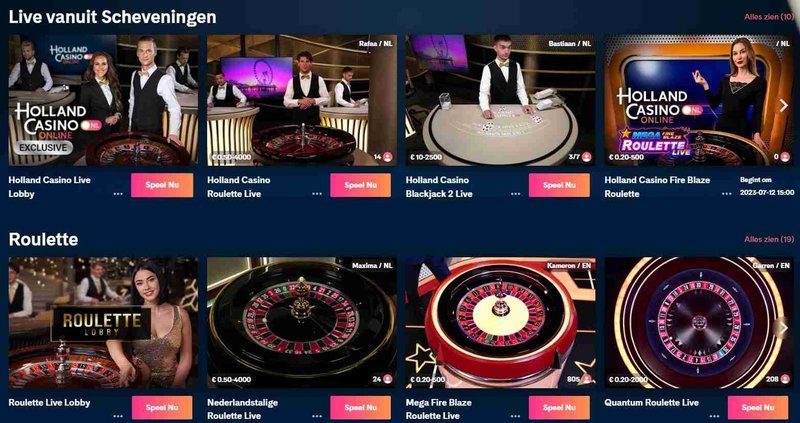
While many think of mobile gaming as a casual pastime, it’s also a gateway to broader online entertainment. For example, a popular sports‑tracking app lets users bet on live matches in a low‑risk environment. Players often discover that their interest in real‑time predictions leads them to explore other forms of digital leisure, such as interactive streaming and live betting. If you’re curious about how these experiences blend, check out Rivo Live Casino for a glimpse of how mobile convenience translates into the wider world of online gaming.
4. Community and Social Features
Social integration is decisive. Games that let players share high scores on Twitter or invite friends to co‑play see a 27 % higher retention rate. The UK’s leading mobile title, Quest Runner, reports that its guild system—where members trade items and strategise—has grown to 150 000 active members in six months. This social layer turns solitary play into a communal experience, driving word‑of‑mouth referrals.
5. Accessibility and Inclusivity
Mobile hardware is ubiquitous. Even lower‑end devices in the UK can run 60 fps on most casual titles, thanks to efficient coding. Developers are prioritising accessibility features: adjustable text sizes, colour‑blind modes, and haptic feedback for visually impaired players. As a result, the player base has expanded to include over 15 % more users aged 50 and above—a demographic that once shunned gaming.
Conclusion: A New Entertainment Landscape
The data is clear: mobile apps are reshaping how UK audiences consume entertainment. Faster access, data‑driven updates, user‑friendly monetisation, strong social ties, and inclusive design combine to create a vibrant ecosystem that rivals, and in some respects surpasses, traditional venues. For anyone who still thinks that entertainment is confined to the living room, the next time you unlock an app, remember that you’re stepping into a market that’s growing by the minute.
